Can you replace a garage door spring yourself?
If the door was too heavy to lift, this is why. It also covers getting a car out past a broken spring.
The spring-safety guidePower outages · Doing it by hand
Every automatic opener has a way to let go of the door so you can move it yourself. It takes a couple of minutes, and one rule keeps it safe.
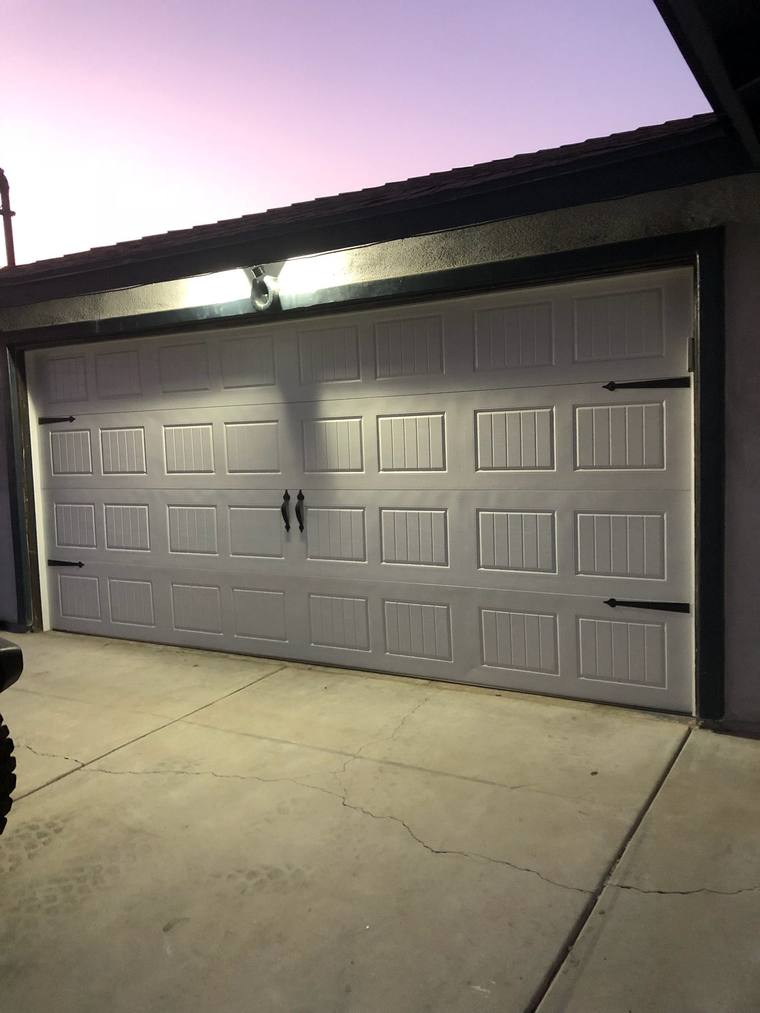
To open a garage door manually, pull the emergency release cord that hangs from the opener rail while the door is closed, then lift the door from the bottom by its handle until it is fully open. The release is usually a cord with a red handle, and it disconnects the door from the opener. A door in good shape feels fairly light and stays where you leave it. If it feels very heavy or starts to drop, lower it and stop, because a spring has probably failed. Keep your fingers out of the gaps between the sections. Don’t pull the release on an open door unless you know the springs are intact and someone is holding it, because it can fall. When you close the door again, slide the side lock across if the opener will stay disconnected. Once the power is back, running the opener or resetting the release handle reconnects it on most models.
Call (951) 232-9778 Monday–Saturday, 8am–6pm · Closed Sunday
What this guide covers
This page is about moving the door yourself when the opener can’t. A broken spring, or a door that won’t open with the power on, each has its own guide, linked where it comes up.
Before you pull anything
On a closed door, the release is harmless. On an open one, it can let a heavy door fall.
Here is what the release actually does. The springs do the lifting on a garage door. The opener guides the door and holds it wherever it stops. Pull the release and the opener lets go, so the only thing holding the door up is the springs.
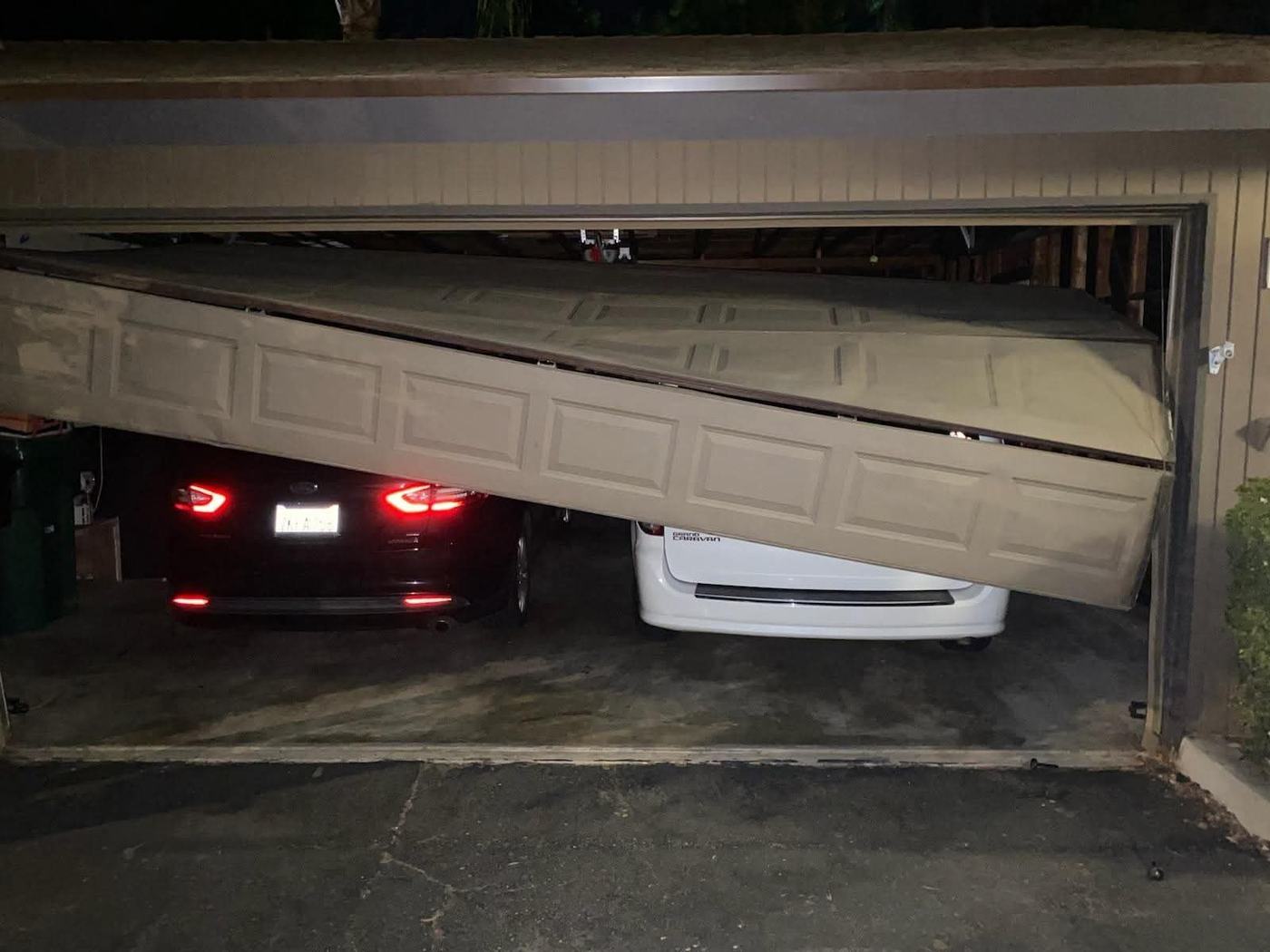
On a closed door that doesn’t matter. It’s already down, and the worst it can do is stay there. On an open door it matters a lot. If a spring is broken or the door is out of balance, a released open door can come down fast. A garage door is the biggest moving thing in most homes.
So if the door is open when the power goes out, the best move is usually to wait. If you truly need it closed, release it only when you can see that both springs are whole and a second person is holding the door by its bottom section. Then lower it together, slowly.
If a spring has already broken and your car is stuck behind the door, that is a different job with different risks, and our spring-safety guide covers it in full.
One more thing before you reach for the cord: try the remote. California has required a battery backup on residential openers sold or installed in the state since July 1, 2019, so a newer opener may still run the door with the power off. Our guide to the law covers what it requires and how to check your own opener.
Next step
If it’s urgent, start with the emergency steps. If it just won’t cooperate, find out why.
Three quick questions narrow it down before you talk to anyone.
(951) 232-9778Mon–Sat · 8am–6pm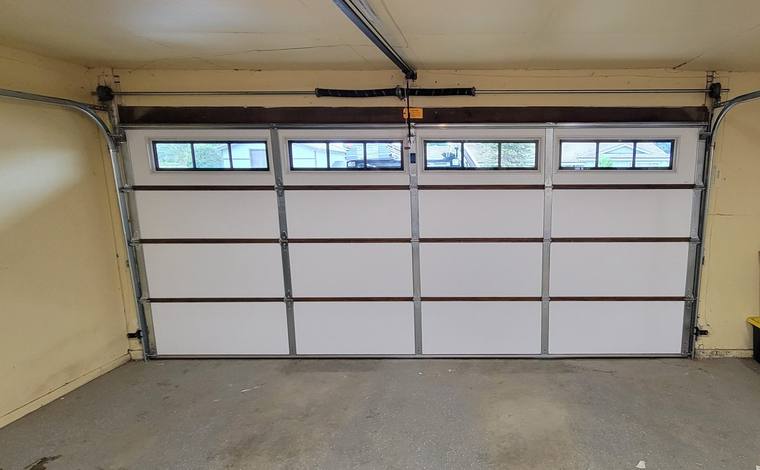
The procedure
Door closed, nothing visibly broken, and a few minutes. This is the whole job, done from inside the garage.
A flashlight · A second person for a wood door or a wide double
Time About five minutes
A gap in a spring. A cable that is loose, frayed or off its drum. A door out of its track or hanging crooked. A door that is already open, with nobody to help hold it. A door too heavy for you to control. In any of those cases, keep people and pets out from under it and call. A door stuck in the wrong position is what a priority call is for.
When the power returns
Most openers pick up right where they left off. A few need a nudge.
Close the door by hand before you reconnect anything. That puts the door where the opener expects it, so nothing moves unexpectedly when the motor starts.
There are two common designs, and which one you have depends on the model. On many models you simply run the opener. The trolley travels along the rail, meets the bracket on the door and clicks back in.
On others you pull the release handle again, often toward the door, to set the latch first. Then you run the opener, or lift the door a few inches by hand, until it catches. The model number on the motor housing will find you the manual if you aren’t sure. Don’t force the trolley with tools. If it won’t catch after a couple of tries, something is out of line.
No lights on the opener usually means no power is reaching it, so check the outlet, any ground-fault reset button and the breaker. If it has power and still won’t move the door, make sure the side lock is out. Past that, our guide to a garage door that won’t open works through the rest.
On some openers the first run after an outage is slow, or stops short, while the unit finds the door again. If it keeps stopping in the wrong place, the travel limits may need setting again from the manual. If a remote or the wall keypad stops working, re-pair it with the learn button on the motor.
A surge when the grid comes back can occasionally damage an opener’s circuit board. If you expect a long outage, unplugging the opener until the power is steady is a reasonable precaution.
Locked out of the garage
From the driveway there is one safe way in, and plenty of doors don’t have it.
Some doors have a small keyed lock on the outside, near the top center. A cable runs from it to the release on the trolley. It’s most common on garages that have no other door in.
Turn the key and pull, the way that lock’s instructions describe, and the trolley lets go. Then lift the door from the bottom. The same rules apply: flat hands, steady lift, and stop if it’s heavy.
Afterward, reset the lock and keep the key somewhere you can reach it in the dark. Not in the garage.
Then there is no safe way to open it from outside. Try the remote or the keypad first, because an opener with a battery backup may still respond. If it doesn’t, go in through the house or a side door and release it from inside.
Don’t try to pry the top of the door away from the frame to reach the cord. It bends the top section, and it’s the same method burglars use. Our garage door security guide covers how to close off that weak point.
If there’s truly no other way in, call a garage door company or a locksmith rather than forcing it.
After reading about break-ins, some people remove the release cord or tie it up out of reach. Please don’t. It is the way out of the garage when the power fails, and in a fire-weather outage that can matter a great deal. A shield over the release latch deals with that risk without taking away your way out. Leave the handle where an adult can reach it.
Quick lookup
Find the row that matches what’s in front of you. The last column is where to stop.
| Situation | What to do | Stop and call if |
|---|---|---|
| Power out, door closedYou need it open. | Try the remote in case there’s a battery backup. If nothing happens, pull the release and lift from the bottom handle. | It’s heavy, it drops, or a spring has a gap in it. |
| Power out, door openYou need it closed. | Wait for power if you can. If not, check that both springs are whole, have someone hold the door, then release it and lower it together. | You’re alone, or you can’t see the springs clearly. |
| Car insideYou need to drive out. | Release and open the door by hand, and drive out. Then go back in, close it, slide the lock across, and leave through the house. | The door won’t stay open on its own. |
| The door feels heavyIt fights you as you lift. | Lower it slowly and stop. A balanced door feels light. Heavy means a spring has failed or lost tension. | Always, for this one. It’s a spring job. |
| The release won’t let goYou pull and nothing unlatches. | Make sure the side lock is out. Pull firmly straight down, once. The latch can bind when the door is pressed hard against the floor. | It still won’t release. Don’t pry it or pull it sideways. |
| Door won’t reconnectThe power is back. | Close the door by hand, reset the release the way your model wants, and run the opener once. | The trolley runs past the door bracket without catching. |
| Side lock left inThe opener strains or hums. | Stop the opener. Slide the lock back out of the track, then try again. | The top section looks bent, or the door sits crooked. |
| Opener dead after the outageNo lights, no sound. | Check the outlet, the breaker, and any ground-fault reset button in the garage. | It has power and still won’t move the door. |
Notice how many rows end with a spring. A door you can’t lift by hand is almost never about the opener, and the power coming back won’t fix it.
Door too heavy to lift, or won’t reconnect?
That’s a spring or a trolley problem, not your technique. We’ll get it running again, usually in one visit.
Riverside County
Most outages here are short and uneventful. A few arrive with wind, fire weather or ice, and that is when a door you have never opened by hand becomes a real problem.
Where Southern California Edison supplies the power, it can switch lines off ahead of dangerous wind and dry conditions to lower the chance they start a fire. These Public Safety Power Shutoffs have reached parts of Riverside County, including the area around the Banning Pass. SCE aims to warn customers ahead of time, but it can’t always.
In Banning and Beaumont, a door can have real wind pushing on it. DASMA, the door industry’s trade association, advises against operating garage doors in high winds, because the extra force needed to move one by hand can hurt you and damage the door. Wait for a lull if you can, and throw the side lock on a released door.
In Idyllwild, Anza and Aguanga, a winter outage can come with snow, and a bottom seal frozen to the slab will fight you. Free the bottom edge gently before you lift. This is also wildfire country, so know how you would get the car out with the power off.
Sign up for outage alerts from whoever sends your power bill. That isn’t always SCE: the City of Riverside runs its own electric utility, the Imperial Irrigation District serves much of the eastern Coachella Valley, and a local cooperative serves the Anza area.
Questions
The questions people actually search when the opener stops, answered plainly.
Call and ask. There’s no charge for a question, and Beau has been doing this since 1996.
(951) 232-9778Mon–Sat 8am–6pmYes. Every automatic opener has an emergency release that disconnects the door so you can lift it yourself. With the door closed, pull the cord hanging from the opener rail, then lift from the handle on the bottom section.
If the opener has a battery backup, try the remote before anything else. It may still run the door, and then there is nothing to lift.
Safely, you usually can’t. The only built-in way in from outside is an emergency key lock, and many doors don’t have one.
Try the remote or keypad first in case the opener has battery backup. Otherwise, go in through the house or a side door. Don’t pry the top of the door open to hook the cord. It damages the top section, and it is the same trick burglars rely on.
On a balanced steel door, yes. A door in good shape feels fairly light when you lift it. A heavy wood door or a very wide one may need two people.
The answer changes if the door is already open. Releasing an open door on your own is how people get hurt, because you can’t hold the door and pull the cord at the same time.
Most doors have a side lock on the inside: a bar near the bottom or middle of the door that slides into a slot in the vertical track. Slide it across and the door can’t be lifted.
Some older doors have a lock in the outside handle instead. Whichever you have, take it out before you use the opener again. Running an opener against a lock strains the motor and can bend the top section.
Only while the opener is still connected. On most openers, an engaged trolley holds a closed door shut even with no power. Once you pull the release, nothing holds the door down but its own weight.
So if you have released the door and you’re going out, or going to bed, close it and slide the side lock across. Reconnect the opener when the power returns.
Most openers don’t need a reset. They come back when the power does. If you released the door during the outage, close it by hand and run the opener once so the trolley can latch back on. Some models want the release handle pulled toward the door first.
If it then stops in the wrong place, or a remote has stopped working, the manual for your model has the steps for both.
Further reading
If the door was too heavy to lift, this is why. It also covers getting a car out past a broken spring.
The spring-safety guideThe battery-backup rule in full, the clause about replacement doors, and how to check your own opener.
The opener law guideFor a door stuck open, off its track, or holding a car in when it has somewhere to be.
Emergency repairsIf it needs us
The first thing we do is ask what the door is doing right now: open or closed, what the opener’s lights show, and whether anything looks broken. Sometimes that is all it takes, and we can talk you through resetting the release over the phone. There is no charge for that call.
When it does need a visit, looking at the door is free. We balance-test it by hand with the opener disconnected, check the springs and cables, and make sure the release lets go and reconnects properly. We test both safety systems before we leave. If a part needs replacing, we show you the part and agree a flat price before any work starts.
If your opener has no battery backup, we’ll tell you honestly whether yours can take one or is due for replacing anyway. We cover the whole of Riverside County from one shop in Riverside.
Tell us whether the door is open or closed, what the opener is doing, and whether you can see anything wrong with the springs or cables. If it’s something you can safely sort out yourself, we’ll say so.
Riverside Classic Garage Doors · 6410 Industrial Ave #3, Riverside, CA 92504 · (951) 232-9778 · Monday–Saturday, 8am–6pm · Closed Sunday