Propane cylinders
Fire safety guidance is blunt: never store a propane cylinder indoors or in an enclosed space such as a garage or shed. Keep the grill tank outside, upright and secure.
Summer in Riverside County · Heat in the garage
Most garages are heat traps by design. The door is the biggest wall in the room, it usually faces the street and the sun, and nothing lets the heat escape once it’s in.
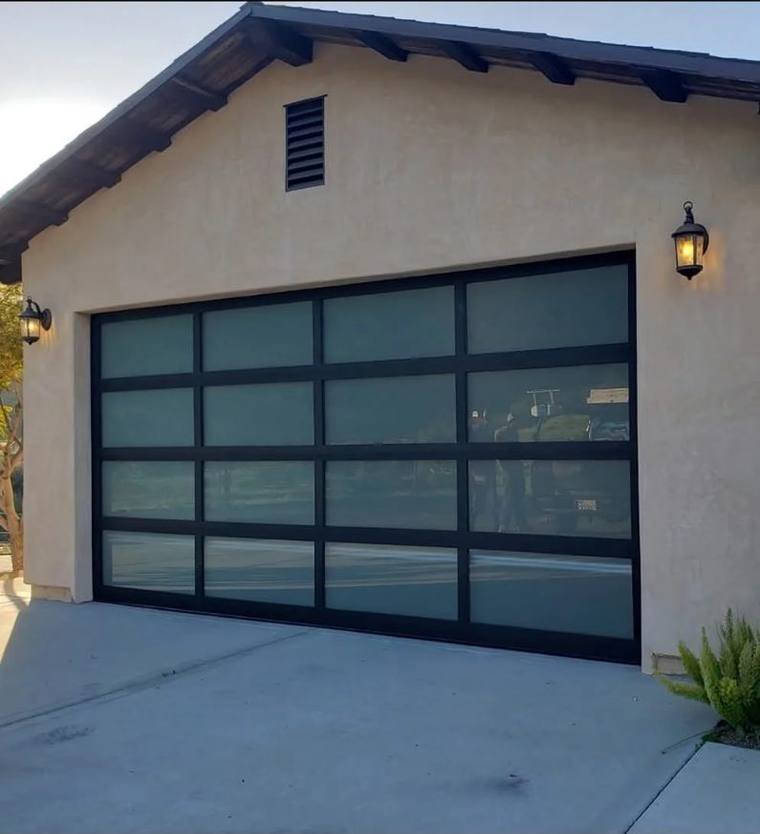
To keep a garage cool in summer, keep the heat out by day and let it out in the evening: keep the door shut through the hottest hours, then open up and run a fan blowing out once the outside air is cooler. The garage door is usually the biggest wall in the room and often faces the sun, so most garages collect heat by design. The free fixes come first, like letting a hot car cool in the driveway before you park it inside. Next come sealing the gaps around the door, a powered exhaust fan or vents up high, ceiling insulation or a radiant barrier, and insulating the door. In the Coachella Valley and Blythe, summer nights stay warm, so the ceiling and the fan matter more than evening air. Never leave a pet in a hot garage, and don’t store propane, medicines or spare lithium batteries there in summer.
Call (951) 232-9778 Monday–Saturday, 8am–6pm · Closed Sunday
What this guide covers
The ranked table is the short version. The rest covers timing, cooling a garage you actually use, what to move indoors for summer, and people and pets in the heat.
The heat trap
It isn’t your imagination. A closed garage soaks up heat all afternoon and lets it go slowly, and several things feed it at once.
On a two-car garage the door is typically sixteen feet wide, and often a single thin skin of steel. It soaks up sun outside and hands the heat to the room. A west-facing door takes the late sun just as the air is hottest.
Most garages have no windows that open and no real vents. Heat that gets in has nowhere to go, so it builds hour by hour.
Garage ceilings are often left without insulation. The roof heats the attic, and the attic heats the garage through the ceiling.
The engine, exhaust and brakes stay hot well after you switch off. Pull straight in after a long drive and the car keeps heating the room.
Concrete and drywall soak up heat all day and give it back after sunset. That’s why a garage often feels worst in the evening, after it has cooled off outside.
A worn bottom seal or gaps down the sides let hot air blow straight in. In the San Gorgonio Pass and the Coachella Valley, the wind brings grit with it.
Where you live changes which of these matters most. Inland, evening air does a lot of the work for you. In the desert it barely helps, so the ceiling, the door and a fan carry more of the load.
Next step
Worn seals and a thin door are the parts of a hot garage we can actually fix.
Three quick questions narrow it down before you talk to anyone.
(951) 232-9778Mon–Sat · 8am–6pm
What actually helps
Start at the top. Each row takes more effort than the one before it, and the first three cost nothing at all.
| Fix | What it does | Effort | Notes |
|---|---|---|---|
| Keep the door shut in the heat of the day. | Stops hot air and direct sun pouring in during the hottest hours. | Free. | Open up later. Wait until the air outside is cooler than the air inside. |
| Flush it out in the evening.Door open, a box fan in the doorway blowing out. | Swaps the day’s trapped heat for cooler air. A fan facing out clears it far faster than an open door alone. | Free. | Works best inland, where summer nights cool off. Stay home while the door is up. |
| Let a hot car cool outside first. | Keeps a hot engine and exhaust from heating the garage. | Free. | Leave it in the driveway or the shade for a while. Never idle it inside to run the air conditioning. |
| Seal the gaps.The bottom seal and the weatherstrip. | Stops hot, dusty air blowing in around the edges. | Low. | A bottom seal that slides out of a channel is a homeowner job. Our weather seal guide walks through it. |
| Add ventilation.A powered exhaust fan, gable or soffit vents, a vent high on the wall. | Gives hot air a way out. Heat rises, so the exhaust goes high and fresh air comes in low. | Moderate. | A powered fan on a thermostat or timer does the most. In a wildfire area, ask the building department what a new vent must meet. |
| Hang a ceiling fan. | Moves air across you so you feel cooler. It doesn’t lower the air temperature. | Moderate. | Mount it clear of the opener rail and of the path the door takes when it opens. Without an exhaust fan, it just stirs hot air. |
| Go lighter when you repaint. | A light door absorbs less of the sun than a dark one. | Moderate. | Check the door maker’s painting instructions first. |
| Insulate the ceiling, or add a radiant barrier. | Slows attic heat coming down. A radiant barrier is a foil sheet under the roof that reflects heat back up. | A project. | Often the biggest single gain in the desert. The foil goes under the roof, never on top of insulation, where it can trap moisture. |
| Insulate the door.A retrofit kit, or an insulated door. | Slows the sun’s heat through the biggest wall. | A project. | What to specify on a new door and whether insulating is worth it have their own pages. A kit adds weight, so have the balance checked afterward. Never touch the springs yourself. |
| Cool it mechanically.An evaporative cooler, or portable or ductless air conditioning. | Actually lowers the air temperature, which nothing else here does. | The biggest. | Only worth it in a sealed, insulated garage you use every day. |
One thing isn’t on the list: running a duct from the house’s air conditioning into the garage. The building code doesn’t allow it, and the workshop section explains why.
Daylight around the door?
Worn seals and gaps let hot, dusty air straight in. We match new ones to your door, usually on the same visit.
Timing costs nothing
Opening the garage only helps when the air outside is cooler than the air inside. On a summer afternoon, it almost never is.
From late morning until the sun is off the door. The outside air is hottest then, and an open door lets it pour straight in.
On windy afternoons in the pass and the desert. Wind through an open door drops grit on everything, including the door’s own rollers and track.
Whenever nobody is home. A door left up, or propped open a foot for air, is an easy way in. Our garage door security guide covers that side of it.
Once the evening air is cooler than the garage. An indoor-outdoor thermometer takes out the guesswork.
With a path for the air. Open a side door or window too, and set a box fan in the doorway blowing out.
While you’re there to watch it. Close it before bed. If you’re up early, the hour before sunrise is the coolest of the day.
In Riverside, July afternoons average about 93 degrees and nights drop to about 64, according to NOAA’s 1991–2020 climate normals. That drop is free cooling, and across most of the inland valleys, opening up in the evening does real work.
In Palm Springs and Blythe, July afternoons average more than 108 degrees. The average July night only gets down to about 80. Evening air there is still warm. The hour before sunrise is the best window, and the ceiling, the door and a powered fan have to do more.
Wherever you are, watch a west-facing door. It takes the late sun at the hottest hour, so keep it shut until the sun has moved off it.
When the garage is a room
Fans and timing make a storage garage bearable. If you’re out there for hours, you may want real cooling, and the order you do things in decides whether it pays off.
Seal and insulate first. Any cooling system fights every gap around the door and every foot of hot ceiling. In a leaky, uninsulated garage, a portable unit mostly cools air on its way out.
An evaporative cooler, often called a swamp cooler, cools air by evaporating water into it. The Department of Energy’s Building America guidance says they work best where outdoor humidity is low in the cooling season. They also need an open door, window or vent so the air can get out.
That makes one a real option in the Coachella Valley for much of the summer. It loses ground on sticky days when summer storms bring humid air, and near the river in Blythe.
A portable unit has to send its hot exhaust outside through a hose. A ductless system, with a head on the wall and a unit outside, is the more serious option. Both only make sense once the room is sealed and insulated. A ductless system is a job for a licensed heating and air conditioning contractor.
Don’t extend the house’s air conditioning into the garage. The California Residential Code, section R302.5.2, says ducts in the garage, or through the wall or ceiling between garage and house, must not have openings into the garage. A register out there would give car exhaust and fumes a path toward the house.
Don’t prop the house door open to borrow cool air. Section R302.5.1 requires that door to be self-latching, with a self-closing or automatic-closing device, in most homes. It’s part of the fire separation, and it keeps fumes out of the rooms you live in.
Move these indoors for summer
A lot of what ends up in a garage was never meant to sit through a summer. Some of it spoils. Some of it becomes a fire risk.
Fire safety guidance is blunt: never store a propane cylinder indoors or in an enclosed space such as a garage or shed. Keep the grill tank outside, upright and secure.
The U.S. Fire Administration says to store lithium-ion batteries at room temperature when you can, keep them out of direct sun and hot cars, and not charge them above 105 degrees. Charge tool, e-bike and scooter packs indoors on hot days.
Pressure inside a can rises as it heats. Many labels warn against storing them in heat, and on hairspray and other cosmetic sprays that warning is required by federal rules. Keep cans off sunny shelves.
Heat shortens the life of paint in the can, and solvents give off more vapor as they warm. Many garages also hold a gas water heater or dryer. Keep lids tight and keep these away from any flame.
The National Library of Medicine says heat, air, light and moisture may damage medicines, and to keep them somewhere cool and dry. A summer garage is neither. That includes first-aid kits and pet medications.
The USDA’s food safety service says never to store canned food in a damp garage or anywhere with temperature extremes. Wine and bulk pantry goods suffer in heat too.
Heat is hard on the batteries inside electronics, on printed photos and on documents. Anything you couldn’t replace belongs in the house.
Some are built for a garage and many aren’t. Find the rated ambient range in the owner’s manual and compare it with your summers, especially in the desert. A unit outside its range may run nonstop and still not keep food cold.
Most electric cars manage their own battery temperature, but each maker has its own advice on charging in heat. Follow the car’s owner’s manual and the charger’s installation manual.
Short and serious
A garage on a summer afternoon can hurt people and animals faster than most of us expect. None of these should wait.
A closed garage on a hot day has no airflow and no way out of the heat. Cornell’s veterinary college notes that dogs shed heat mainly by panting, and that short-muzzled breeds and older or overweight dogs are at higher risk. Cats are no safer.
No. Keep pets in the house on hot days. Heavy panting and drooling are early warnings. Weakness or collapse means the vet, now.
Heat creeps up on people who are busy. Cal/OSHA’s heat campaign for California workers boils the defense down to three words.
Water, rest, shade. Drink before you’re thirsty. Take breaks somewhere cooler, run a fan with the door open, and save heavy work for early morning.
Confusion, slurred speech or passing out can mean heat stroke. The CDC says to call 911 and move the person somewhere shaded and cool.
Call 911. Don’t wait to see if it passes. Dizziness and nausea on their own still mean stop, cool off and sip water.
It’s tempting on a hot afternoon, and it’s dangerous. The CDC says never to run a car or truck inside a garage attached to a house, even with the garage door open.
Never. Back the car out first, or cool off indoors.
An opener that quits on hot afternoons and works again later may be tripping its thermal protection, which our guide to a door that closes then opens covers.
Questions
The questions people actually search for when the garage turns into an oven.
Call and ask. There’s no charge for a question, and Beau has been doing this since 1996.
(951) 232-9778Mon–Sat 8am–6pmA garage collects heat all day and has no easy way to lose it. The door and the roof soak up sun, a hot car adds more, and the concrete and walls store it.
It also gives that heat back slowly. That’s why a garage often feels worst in the evening, after it has cooled off outside. A fan blowing out at that point is the cheapest fix there is.
Keep the door shut through the hottest hours. In the evening, open it and run a box fan blowing out. Let a hot car cool in the driveway before you pull in.
Then seal the gaps around the door, add a powered exhaust fan or vents up high, and insulate the ceiling. In the desert, the ceiling and the fan do more than evening air can.
It might be. Many refrigerators and freezers aren’t built for a garage. The owner’s manual lists the rated ambient range, and some models are sold for garage use.
A unit running outside its range may run nonstop and still not keep food cold. Keep it out of direct sun, leave space around it, and watch it through the first heat wave.
Follow the car maker’s guidance in the owner’s manual. It’s the only advice written for your battery, and the wall charger has its own installation manual.
What you can do is help the garage. Keep the door shut in the heat of the day and flush it in the evening. Keep propane, solvents and spare batteries away from the charger.
Not on a hot day. A closed garage has no airflow, and pets can’t cool off the way people do. Dogs rely mostly on panting, which works poorly in hot, still air.
Short-muzzled breeds and older or overweight pets are most at risk. Keep them indoors when it’s hot. Treat heavy panting, drooling or weakness as a warning.
Only when the air outside is cooler than the air inside, which usually means evening. In the afternoon, an open door lets in hotter air and direct sun.
Stay home while it’s up and close it before bed. A door propped open a foot is still an easy way in. Don’t leave it like that when you go out.
In the Coachella Valley and around Blythe, summer nights stay warm, so evening air helps less than it does inland. Put the effort into keeping heat out and pushing it up and away.
That means a sealed door, ceiling insulation or a radiant barrier, and a powered exhaust fan on a thermostat. Go lighter when you repaint, and flush it in the hour before sunrise.
Further reading
What to specify on a new door for heat, and which insulation number to compare.
The climate guideSummer is hard on the door itself. The checks to do in your zone’s hot season.
The maintenance guideWhen the opener acts up on hot afternoons. How to tell heat from a real fault.
The reversing-door guideOn a visit
We’re a garage door company, so we work on the part of the problem that’s the door. We check that it closes fully to the floor, replace worn seals and weatherstrip, and tell you honestly whether an insulated door or a retrofit kit makes sense. If a kit goes on, we check that the springs still match the door’s weight.
We look at the opener too, since one hanging under a hot ceiling has a harder life. Whenever we work on a door, we run both safety tests before we leave. Looking is free, and you get a flat quote agreed before any work starts.
Fans, vents, attic insulation and air conditioning are other trades. We’ll still tell you plainly when the bigger gain is in the ceiling rather than the door. We cover the whole county from our shop in Riverside.
Tell us which way the door faces, whether you can see daylight around it, and what the garage is used for. We’ll tell you honestly whether the door is the problem and what it would take to fix. Looking at it is free.
Riverside Classic Garage Doors · 6410 Industrial Ave #3, Riverside, CA 92504 · (951) 232-9778 · Monday–Saturday, 8am–6pm · Closed Sunday